
Blog · Understanding HS
Understanding HS
When I was diagnosed, what I needed most was clear information that explained Hidradenitis Suppurativa without overwhelming medical jargon or misleading oversimplifications. This section is my attempt to fill that gap with accessible, patient-written articles that cite the relevant studies.
It starts with the basics, including what HS is and how the Hurley stages are used to classify it, before exploring factors that seemed to matter in my own case: gut health, histamine, insulin, hormones, and stress. Each article distinguishes personal experience from research. Use them as a starting point, then take your questions to your dermatologist.
Reading path
- 1 What Is Hidradenitis Suppurativa?
Start here: what Hidradenitis Suppurativa is.
- 2 Hidradenitis Suppurativa: Symptoms and Stages
How HS can appear and which areas it can affect.
- 3 Hurley Stages
The three-stage classification used by dermatologists.
- 4 What Is Leaky Gut?
Intestinal permeability and its possible link to inflammation.
- 5 Histamine
Histamine, itching, and foods you may want to monitor.
- 6 How Insulin and Sugar Affect Hidradenitis Suppurativa
Sugar and insulin: why they may matter.
- 7 Hidradenitis Suppurativa and the Menstrual Cycle
HS and the menstrual cycle: the hormonal connection.
- 8 Hidradenitis Suppurativa and Stress
How stress may act as a trigger for flares.
More articles
-
Does Antibacterial Soap Help Hidradenitis Suppurativa?
-
Does Hidradenitis Suppurativa Smell? An Honest Answer
-

Dating With Hidradenitis Suppurativa: A Guide for Both Sides
-
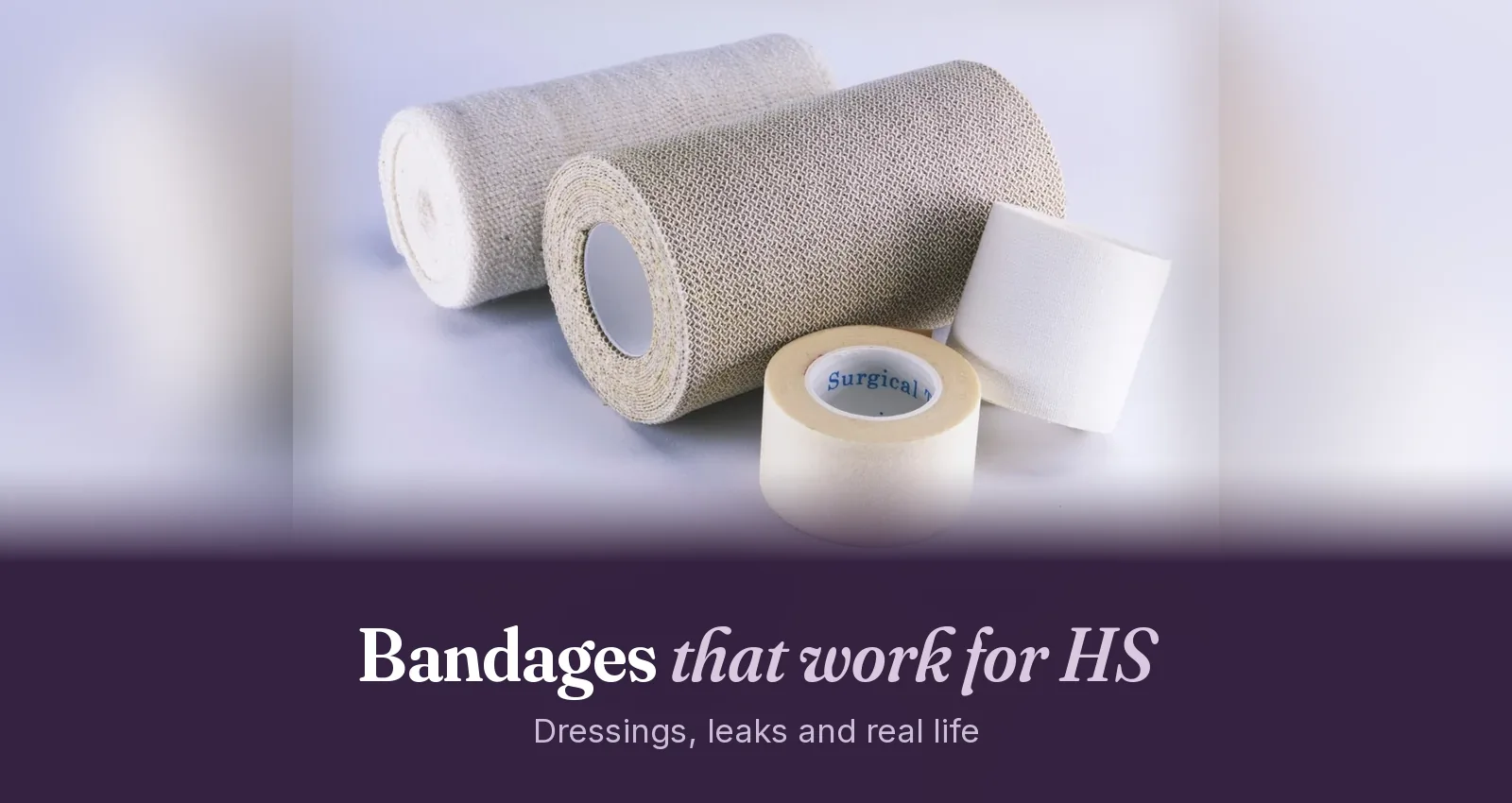
Best Bandages for Hidradenitis Suppurativa: What Works in Real Life
-

Can Hidradenitis Suppurativa Go Into Remission?
-

Acne Inversa: Is It the Same as Hidradenitis Suppurativa?
-
Why Won't My Hidradenitis Suppurativa Lump Drain?
-
What Is the Best Deodorant for Hidradenitis Suppurativa?
-

Managing Hidradenitis Suppurativa with a Holistic Approach
-
COVID-19 and Hidradenitis Suppurativa
-

How I Manage Hidradenitis Suppurativa
Frequently asked questions
Is Hidradenitis Suppurativa contagious?
No. HS is not an infection and cannot be passed through contact. It is a chronic inflammatory condition affecting hair follicles, with genetic, immune, and hormonal factors.
Why do antibiotics not resolve HS?
HS is not simply a bacterial infection. Antibiotics may help reduce inflammation or treat secondary infections, but they do not provide a definitive cure for HS. This is why lesions can return after repeated courses, something I experienced firsthand for years.
Which areas are most commonly affected?
HS most often affects skin folds and areas exposed to friction, including the armpits, groin, perianal area, and beneath the breasts. In my case, it also affected my face. I share more in the article about symptoms and stages.