
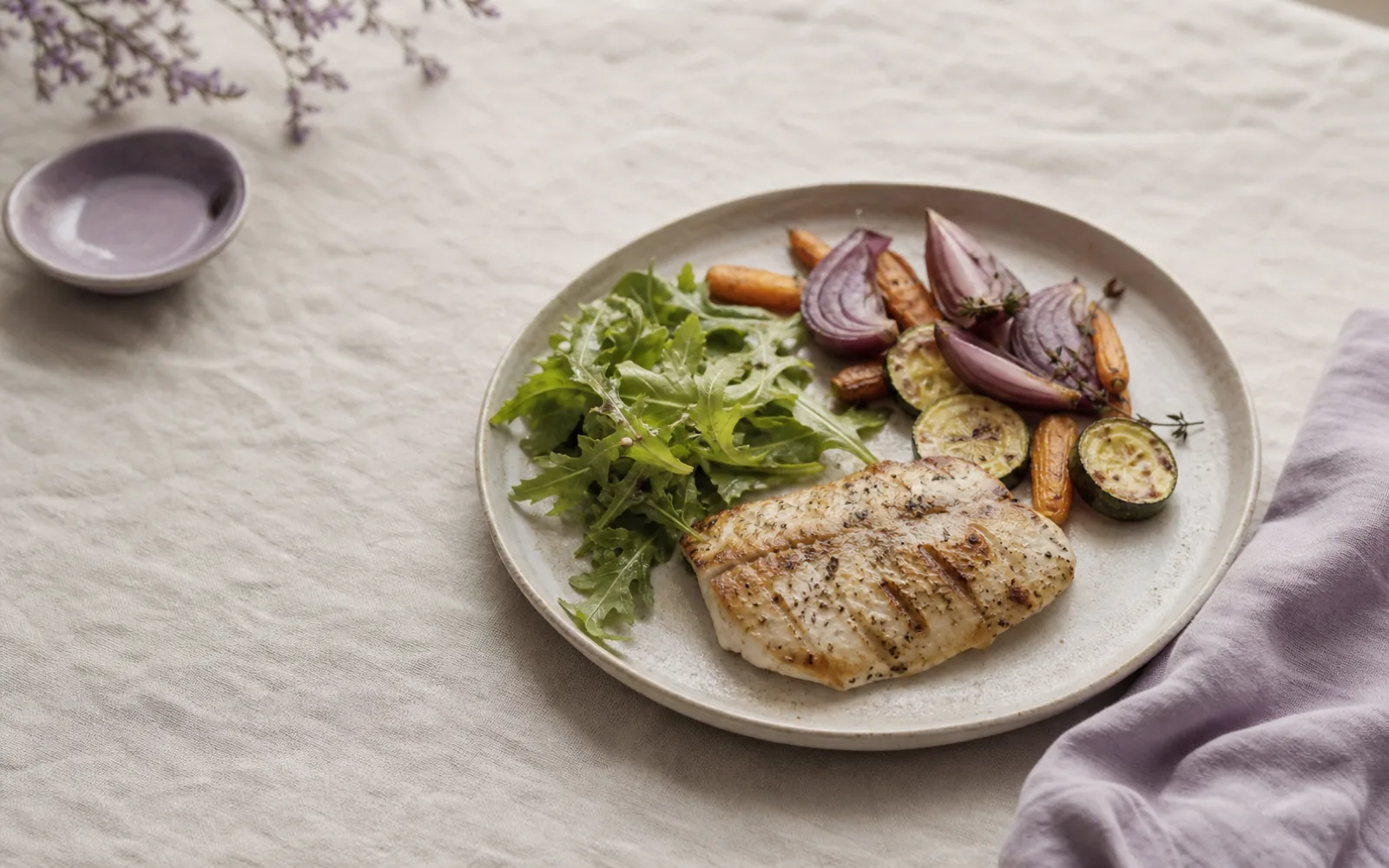
As I explained in the previous article, the AIP protocol is an approach based on temporarily eliminating and then reintroducing certain foods. It was originally developed for autoimmune conditions, and I decided to try it as part of managing my Hidradenitis Suppurativa. This is my personal experience, not medical advice. I am not a doctor, and HS has no definitive cure.
AIP Protocol: Foods to Avoid
Let's look at the foods avoided during this phase and, without going too deeply into the science, why certain substances may be problematic for some people:
- Gluten: a group of proteins often discussed in relation to leaky gut (increased intestinal permeability), inflammation, and the passage of unwanted substances into the bloodstream.
- Casein: a milk protein that may trigger inflammatory responses in some people and can interact with insulin receptors.
- Other potentially immunogenic substances: lectins, saponins, and compounds found in nightshades. These may act as antinutrients or have pro-inflammatory effects, so the AIP protocol removes them temporarily to see whether they affect acne inversa.
Where are these substances found, and which foods are excluded from the AIP protocol?
Let's begin with the foods excluded from the Paleo diet, popularized in part by Robb Wolf:
- Grains (all of them, including whole grain and organic varieties)
- Pseudograins (quinoa, amaranth, buckwheat, chia seeds)
- Legumes (including soy, peanuts, and tamarind)
- Sugars (including those found in soft drinks)
- Dairy products (including lactose-free products)
- Hydrogenated fats, margarine, seed oils, corn oil, sunflower oil, rice bran oil, canola oil, and safflower oil.
AIP Protocol: Foods to Reintroduce Later
During the elimination phase, however, the AIP protocol also removes other foods that could potentially cause problems for some people, specifically:
- Eggs
- Ghee
- All nuts (almonds, walnuts, hazelnuts, pecans, cashews, pine nuts, macadamia nuts, Brazil nuts, pistachios)
- All seeds (pumpkin seeds, sunflower seeds, sesame seeds, poppy seeds, flaxseeds)
- Chestnuts and chestnut flour
- Nightshades (tomatoes, eggplants, peppers, potatoes, goji berries, tobacco)
- Spices (chili pepper, paprika, curry, anise, cumin, coriander seeds, fennel seeds, nutmeg, mustard seeds, fenugreek, garam masala)
- Spices to use cautiously and remove at first (star anise, cardamom, caraway, black pepper, pink peppercorns, juniper berries, vanilla)
- Sweeteners such as stevia, xylitol, and erythritol
- Coffee, decaffeinated coffee, cocoa, chocolate
- Alcoholic beverages (including wine)
Because this is a temporary phase, after 1 to 2 months these foods can be reintroduced one at a time, ideally with professional guidance, to assess your individual response and tolerance. I will cover this process in a future article.
AIP Protocol: Foods You Can Eat
So, after removing what feels like 90% of the pantry, what can you eat during the elimination phase of the AIP protocol?
- Dark leafy greens and cruciferous vegetables (cauliflower, broccoli, cabbage).
- Sulfur-rich vegetables such as garlic, onions, and asparagus.
- Colorful vegetables and root vegetables (carrots, turnips, celeriac).
- Sweet potatoes, cassava, and squash.
- Fresh fruit, especially berries, limes, and lemons, preferably with a lower glycemic index
- Bananas and plantains.
- Avocado and coconut (good sources of monounsaturated fats).
- Responsibly sourced wild-caught fish, including fish from cold waters.
- Meat from grass-fed animals or free-range or organic poultry.
- Organ meat from grass-fed animals.
- Bone broth.
- PDO dry-cured ham.
- Collagen protein
- Extra virgin olive oil.
- Unpasteurized apple cider vinegar.
- Unrefined sea salt or pink Himalayan salt.
- Rosemary, thyme, sage, basil, and other herbs.
- Unrefined extra virgin coconut oil.
- Coconut butter.
- Full-fat coconut milk (around 18% fat, with only 60% to 80% coconut and water as ingredients)
- Desiccated coconut.
Additional ingredients:
- Coconut flour (it absorbs a lot of liquid).
- Carob flour (not carob seed flour).
- Arrowroot (works as a thickener and binder).
- Cassava or tapioca flour (made from a tuber, so it is a useful source of carbohydrates).
- Tigernut flour (naturally sweet, with a flavor somewhat similar to almonds and hazelnuts).
- Local honey, coconut blossom sugar, and dates as sweeteners in controlled amounts.
- Grass-fed gelatin
In a future article, I will explain why the AIP protocol is not the only possible approach. Other, less restrictive protocols may offer similar benefits for some people.
My personal suggestion is to consider starting with this protocol and, if appropriate, later moving to a less restrictive approach. Please do so with guidance from a qualified healthcare or nutrition professional.
Before returning to nutrition in future articles, I will take a closer look at HS and leaky gut and discuss the possible connections between them.
Reader comments (0)