
As promised in my previous article, today I want to talk about a particular dietary approach, the Autoimmune Paleo protocol, better known as the AIP protocol. This is the approach I chose to explore as one part of managing Hidradenitis Suppurativa or, more precisely, supporting remission in my own experience. This is my personal experience, not medical advice. I am not a doctor, and HS has no definitive cure.
The Paleo Diet
The AIP protocol draws on the Paleo diet, an eating pattern intended to resemble the presumed diet of our ancestors, particularly during the Paleolithic era.
At that time, many foods we now eat every day did not exist, and food was far less processed. We might loosely call it "whole food" to distinguish it from foods produced through later forms of agriculture or, even more so, industrial processing.
This eating pattern has long been better known in places such as the United States and the United Kingdom, and it gained attention later in Italy. Some people follow it for athletic goals, including periods of "cutting" or reducing body fat while preserving muscle. As someone who regularly trains with weights, I can speak only to my own experience in that context. It is also discussed for therapeutic purposes, although evidence for specific health benefits varies and should not be overstated.
The AIP Protocol
The AIP protocol is essentially a more restrictive Paleo diet. It is a temporary elimination and reintroduction diet developed for autoimmune conditions. HS, however, is an autoinflammatory disease, not an autoimmune disease. I chose to explore the protocol personally while also pursuing some of the broader goals associated with a standard Paleo diet. These may include:
- addressing nutritional deficiencies
- supporting a balanced microbiome
- reducing intestinal inflammation
- supporting gut health in relation to leaky gut
- supporting hormonal balance
- strengthening antioxidant defenses
- restoring energy
- reducing systemic inflammation (which is also linked with cardiovascular health).
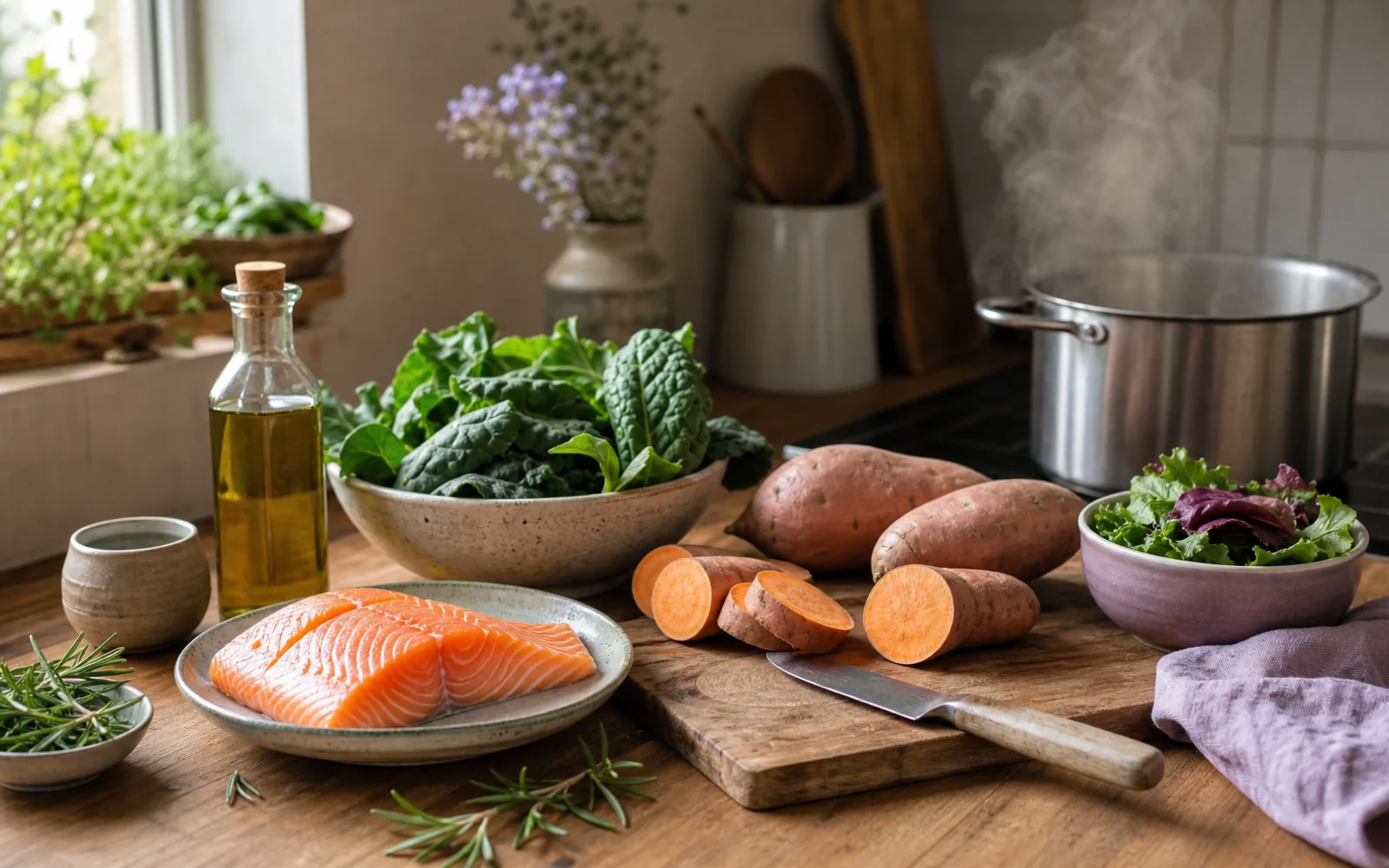
Under this protocol, each meal is generally made up of vegetables for around two thirds of the plate and protein-rich foods for around one third.
Fat and carbohydrate intake can vary, but the focus in both cases is on nutrient-dense sources: carbohydrates from vegetables, tubers, and berries; saturated, monounsaturated, and omega-3 fats from grass-fed meat and organ meat, wild-caught fish, extra virgin olive oil, coconut, and avocado.
So, what can you eat, and what is best avoided? I will cover that over the next few days, explaining how and why the eating plan I followed differed from the AIP protocol as it is commonly understood.
Reader comments (0)